How Skin Laser Treatments Help Improve Common Skin Concerns

Travis Anderson
Skin concerns such as uneven pigmentation, unwanted hair, visible redness, acne marks, and changes in skin texture can affect how the skin looks and feels. These concerns may develop due to factors such as sun exposure, aging, hormonal changes, and natural variations in skin characteristics.
Advances in aesthetic technology have made laser-based procedures an option for addressing several common skin concerns. Depending on the device and treatment approach, these procedures use targeted light energy to focus on specific skin structures. Understanding how laser treatments work can help individuals make informed decisions about their skincare options.
1. Understanding How Skin Laser Treatments Work
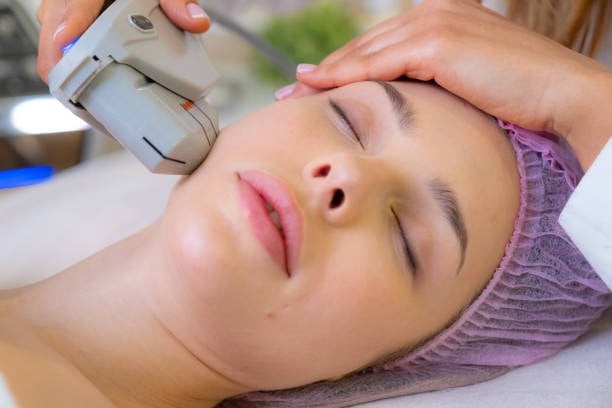
Laser treatments use concentrated light energy to target specific areas or structures within the skin. Different devices operate at different wavelengths and are designed to address particular concerns.
Some treatments focus on pigmentation, while others target hair follicles, visible blood vessels, or deeper skin layers. The appropriate approach depends on the individual's skin condition, treatment goals, and suitability for the procedure.
A professional consultation helps determine which technology and settings may be appropriate.
2. Addressing Uneven Skin Tone and Pigmentation
Uneven pigmentation can appear as dark spots, sunspots, or patches of discoloration. Sun exposure, hormonal changes, and aging are among the factors that may contribute to these concerns.
Certain laser and light-based treatments target excess pigment within the skin. The selected technology may help reduce the appearance of specific pigmented areas over a series of sessions.
However, not every type of pigmentation responds to the same treatment. A qualified provider should assess the skin and determine whether laser treatment is appropriate.
3. Improving the Appearance of Acne Scars and Skin Texture
Acne can sometimes leave behind visible marks, uneven texture, or depressed scars. These changes may remain even after active breakouts have improved.
Certain laser procedures are designed to support skin remodeling by delivering controlled energy to targeted layers. Depending on the technology used, treatment may help improve the appearance of selected acne scars and uneven texture.
The number of sessions and expected results vary according to scar type, skin condition, and treatment method.
4. Reducing the Appearance of Fine Lines and Wrinkles
As skin ages, collagen production and natural elasticity gradually change. These processes can contribute to fine lines, wrinkles, and a less firm appearance.
Some laser treatments target deeper skin layers to stimulate a natural remodeling response. Over time, this process may help improve the appearance of skin texture and fine lines.
Treatment suitability depends on factors such as skin condition, age-related changes, and the specific technology being considered.
5. Managing Unwanted Hair Growth
Unwanted hair is another common concern that laser technology can address. Laser hair removal works by directing light energy toward pigment in the hair follicles, helping reduce future hair growth.
Because hair grows in different cycles, multiple treatment sessions are generally needed. Results can vary based on hair color, skin tone, treatment area, and the device used.
Individuals considering this option should discuss their skin and hair characteristics during a consultation to understand what results may be realistic.
6. Benefits of Skin Laser Treatments
The Benefits of Skin Laser Treatments depend on the technology used and the concern being addressed. When appropriately selected, laser procedures may offer several advantages:
- Targeted treatment: Specific technologies can focus on concerns such as pigmentation, unwanted hair, or uneven texture.
- Multiple treatment options: Different laser systems are designed for different skin conditions and aesthetic goals.
- Personalized settings: Treatment parameters can be adjusted according to individual skin characteristics and clinical assessment.
- Gradual improvement: Some procedures support natural skin remodeling, with changes developing over time.
- Treatment flexibility: A provider may recommend a single procedure or a combination of approaches depending on the individual's needs.
It is important to understand that outcomes are not identical for everyone. A professional assessment helps determine the potential benefits, limitations, and risks.
7. Choosing Skin Laser Treatment in Aventura
When considering skin laser treatment in Aventura, individuals should look beyond the name of a procedure and understand the technology, provider qualifications, and treatment approach.
Before selecting a treatment, consider the following factors:
- Provider experience: Choose a qualified professional with appropriate training in the selected laser technology.
- Skin assessment: Discuss skin type, medical history, current skincare products, and specific concerns.
- Device suitability: Ask which laser system will be used and why it is appropriate for your skin.
- Expected results: Understand the likely number of sessions, recovery time, and realistic outcomes.
- Potential risks: Discuss possible side effects, including irritation, pigmentation changes, or other complications.
- Aftercare guidance: Follow professional recommendations for skincare, sun protection, and recovery.
People with different skin tones may require different treatment settings and precautions. A personalized evaluation is particularly important when selecting laser procedures.
8. Preparing for a Skin Laser Treatment
Preparation can vary depending on the procedure and the technology involved. Before treatment, individuals should share relevant medical and skincare information with their provider.
They may also receive instructions about sun exposure, tanning, certain skincare ingredients, and other factors that could affect treatment suitability.
After the procedure, following the recommended aftercare routine is important. This may include gentle skincare, avoiding excessive heat or sun exposure, and applying broad-spectrum sunscreen as advised.
Conclusion
Skin laser treatments offer different approaches for addressing concerns such as uneven pigmentation, acne scars, fine lines, unwanted hair, and changes in skin texture. The most appropriate procedure depends on the individual's skin condition, treatment goals, and the technology being considered.
Understanding the available options, potential benefits, and possible risks can help individuals make informed skincare decisions. A consultation with a qualified provider is an important step toward selecting a treatment approach that suits their needs.