
Gentle Vitamin A
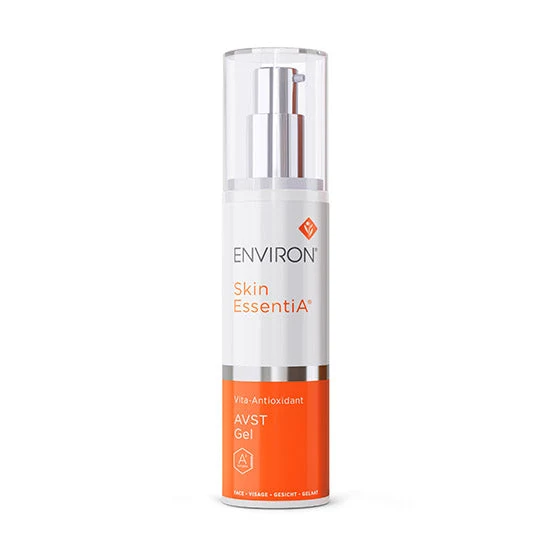
Environ AVST Gel
Environ Skin EssentiA
Common Mistakes to Avoid When Starting a Gentle Vitamin A Skincare Routine

Travis Anderson
Vitamin A is a popular skincare ingredient used in routines focused on improving skin texture, supporting smoother-looking skin, and addressing visible signs of aging. However, introducing vitamin A products requires a thoughtful approach, especially for those who are new to this ingredient or have sensitive skin. Starting too quickly or using products incorrectly may lead to dryness, redness, peeling, or irritation.
A Gentle Vitamin A Routine focuses on gradual introduction, appropriate product selection, and consistent skin care habits. Whether you are exploring vitamin A for the first time or adjusting your existing regimen, understanding common mistakes can help you build a routine that is easier for your skin to tolerate.
1. Introducing Vitamin A Too Quickly
One common mistake is applying vitamin A product too frequently when first starting. Even formulations designed for gradual introduction may cause temporary dryness or irritation, particularly when the skin is not accustomed to the ingredient.
Instead of immediately using a product every day, follow its specific instructions and begin at the recommended frequency for your skin type. Allow your skin time to adjust before considering any increase in use. If irritation develops or persists, reduce use or pause the product and seek professional guidance.
2. Choosing a Product Without Considering Skin Needs
Not every vitamin A formulation is suitable for every person. Skin type, sensitivity, existing skincare products, and previous experience with vitamin A can all influence product suitability.
For example, someone with dry or reactive skin may need a different starting approach than someone who regularly uses active skincare ingredients. Products such as Environ AVST Gel may be considered as part of a vitamin A-focused skincare approach, but the appropriate product and level should be selected based on individual skin needs and professional recommendations.
Avoid choosing a product only because it is popular or has worked well for someone else. A personalized assessment can help you make a more informed choice.
3. Using Too Many Active Ingredients Together
Combining several active skincare ingredients without considering their compatibility can increase the risk of irritation. Vitamin A products used alongside exfoliating acids, strong acne treatments, or other potentially irritating ingredients may be too much for some skin types.
When introducing vitamin A, keep the rest of your routine simple. Use a gentle cleanser, suitable moisturizer, and broad-spectrum sunscreen. Avoid adding multiple new active products at the same time so you can better identify what your skin tolerates.
If you already use prescription skincare or other active ingredients, ask a qualified skincare professional how to coordinate them safely.
4. Applying More Product Than Recommended
Using a larger amount of vitamin A product does not necessarily improve results. It may instead increase the likelihood of dryness, redness, and discomfort.
Follow the manufacturer's application instructions and use only the recommended quantity. Applying additional layers or using the product more frequently than directed can make it harder for your skin to adjust.
Consistency and appropriate use are more important than applying excessive amounts.
5. Skipping Moisturizer
Some people avoid moisturizer because they worry it may make their skin feel oily or interfere with active ingredients. However, maintaining the skin's moisture balance is an important part of a comfortable skincare routine.
Choose a moisturizer that suits your skin type and supports the skin barrier. If dryness develops after introducing vitamin A, a suitable moisturizer may help improve comfort. Avoid relying on heavy or irritating products if your skin is sensitive, and seek advice if discomfort continues.
6. Forgetting Daily Sun Protection
Sun protection should remain an essential part of any skincare routine, particularly when using active ingredients that may cause irritation or increase sensitivity for some individuals.
Apply a broad-spectrum sunscreen with SPF 30 or higher every morning, following the product instructions. Reapply as directed, especially after swimming, sweating, or spending extended periods outdoors. Protective clothing and shade can provide additional support.
Skipping sunscreen can leave skin more vulnerable to sun damage and may undermine your overall skincare goals.
7. Expecting Immediate Results
Another common mistake is expecting visible changes within a few days. Skincare ingredients generally require consistent use over time, and individual responses can vary.
The time needed to notice changes depends on the formulation, application frequency, skin condition, and overall routine. Avoid increasing the amount or frequency simply because results are not immediately visible. Give your skin an appropriate adjustment period and follow professional guidance.
If you experience persistent redness, burning, swelling, or significant peeling, stop using the product and consult a qualified professional.
8. Changing Products Too Frequently
Switching between different vitamin A product before giving your skin time to adjust can make it difficult to understand how each formulation affects your skin. It may also introduce unnecessary irritation, especially when products have different strengths or supporting ingredients.
Choose a suitable starting product and follow its recommended usage instructions. Make changes gradually rather than replacing several products at once. If your current product causes ongoing discomfort, seek advice before trying another formulation.
9. Ignoring Individual Skin Concerns
A routine that works for one person may not be appropriate for another. Existing skin sensitivity, dryness, acne, or other concerns can influence how vitamin A product should be introduced.
People who are pregnant, planning pregnancy, or breastfeeding should consult their healthcare professional before using vitamin A skincare product, as recommendations can differ depending on the ingredient and formulation.
A professional skin assessment can help identify suitable products, establish a gradual routine, and determine whether vitamin A is appropriate for your individual needs.
How to Build a Gentle Vitamin A Routine
A well-planned routine does not need to include numerous products. Keeping the steps simple can make it easier to monitor your skin's response and maintain consistency.
Consider these general steps:
- Cleanse gently: Use a mild cleanser that removes impurities without leaving your skin feeling tight.
- Introduce vitamin A carefully: Select a suitable formulation and follow its recommended application frequency.
- Moisturize regularly: Choose a moisturizer that supports skin comfort and hydration.
- Use sunscreen daily: Apply broad-spectrum SPF 30 or higher every morning.
- Monitor your skin: Pay attention to dryness, redness, peeling, or discomfort and adjust your routine with professional guidance.
A gradual approach can help you understand how your skin responds while avoiding unnecessary product combinations.
Make Informed Choices for Your Skincare Routine
Starting vitamin, A skincare does not have to mean changing your entire routine at once. Avoiding common mistakes such as overuse, combining too many active ingredients, skipping moisturizer, and neglecting sun protection can help support a more manageable approach.
Products such as Environ AVST Gel may be considered within a structured vitamin A skincare regimen, depending on individual skin needs and product guidance. Taking time to understand the formulation, follow application instructions, and seek professional advice when needed can help you make more informed skincare decisions.